 Calculator Match
Spacing & Alignment★4.8(1,420)
Fence Picket & Deck Spacing Jig
Locks onto top and bottom rails to maintain your exact picket gap (1/4" to 4") without measuring every board.
$19.99$24.99
View on Amazonロス込み合計:19 枚
2.028"|51.5 mm
5.528"|140.4 mm
Measures physical gaps & spacers directly on screen. Calibrate for true 1:1 scale matching.
Did you spot an error in the calculation, or have a recommendation to make this tool better for carpenters and DIY builders? Describe your idea or issue below and send it directly to our developer team.
See how your picket quantity, exact gap, and pitch were derived.
L = n × w + (n + 1) × gg = (L - n × w) / (n + 1)L = n × w + (n - 1) × gg = (L - n × w) / (n - 1)Walkthrough of a standard 8-foot (96-inch) wood fence panel built with standard 3.5-inch nominal pickets.
For equal end gaps, there are n + 1 gaps.n = (96 - 2) / (3.5 + 2) = 17.09Rounding to nearest whole number yields 17 pickets.
Total picket width = 17 × 3.5" = 59.5".
Remaining gap span = 96" - 59.5" = 36.5".
Divided over 18 gaps: 2.028" (2 1/16").
Avoid costly timber waste and layout mistakes by following professional measurement best practices.
Always measure the distance between the inside faces of your fence posts, not center-to-center. Measure both at the top rail and bottom rail level to check for post plumbness or bowing.
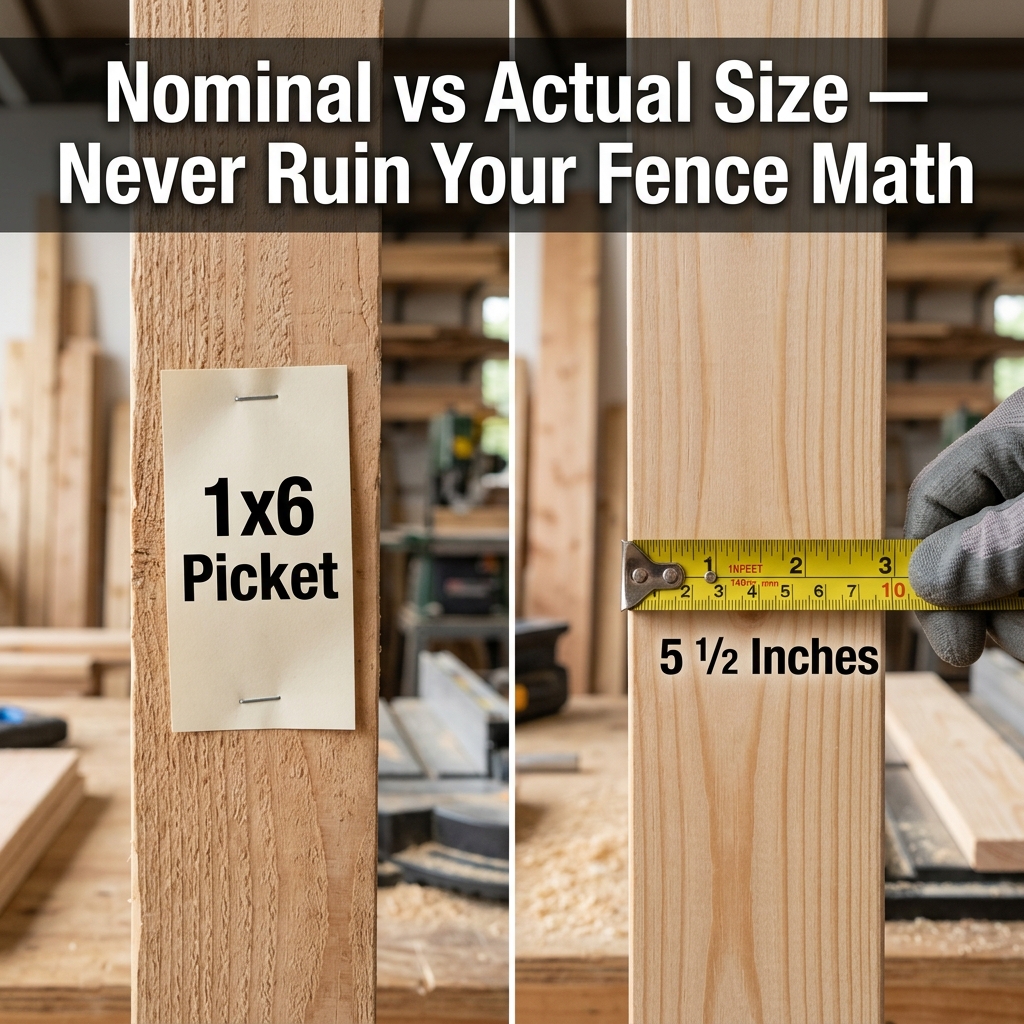
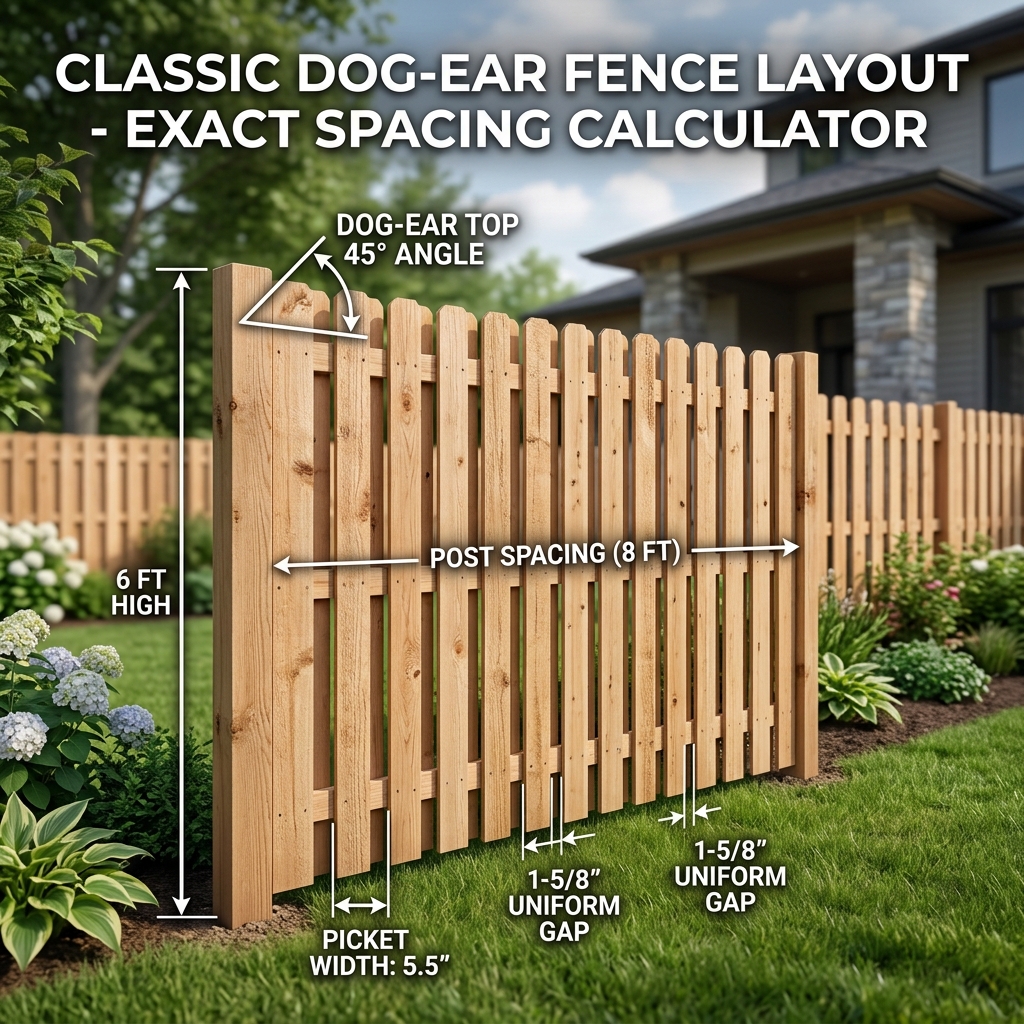
Lumber sizes are nominal. A standard “1x4” wood picket actually measures 3.5 inches wide, and a “1x6” picket measures 5.5 inches wide. Always measure your physical pickets before calculating.
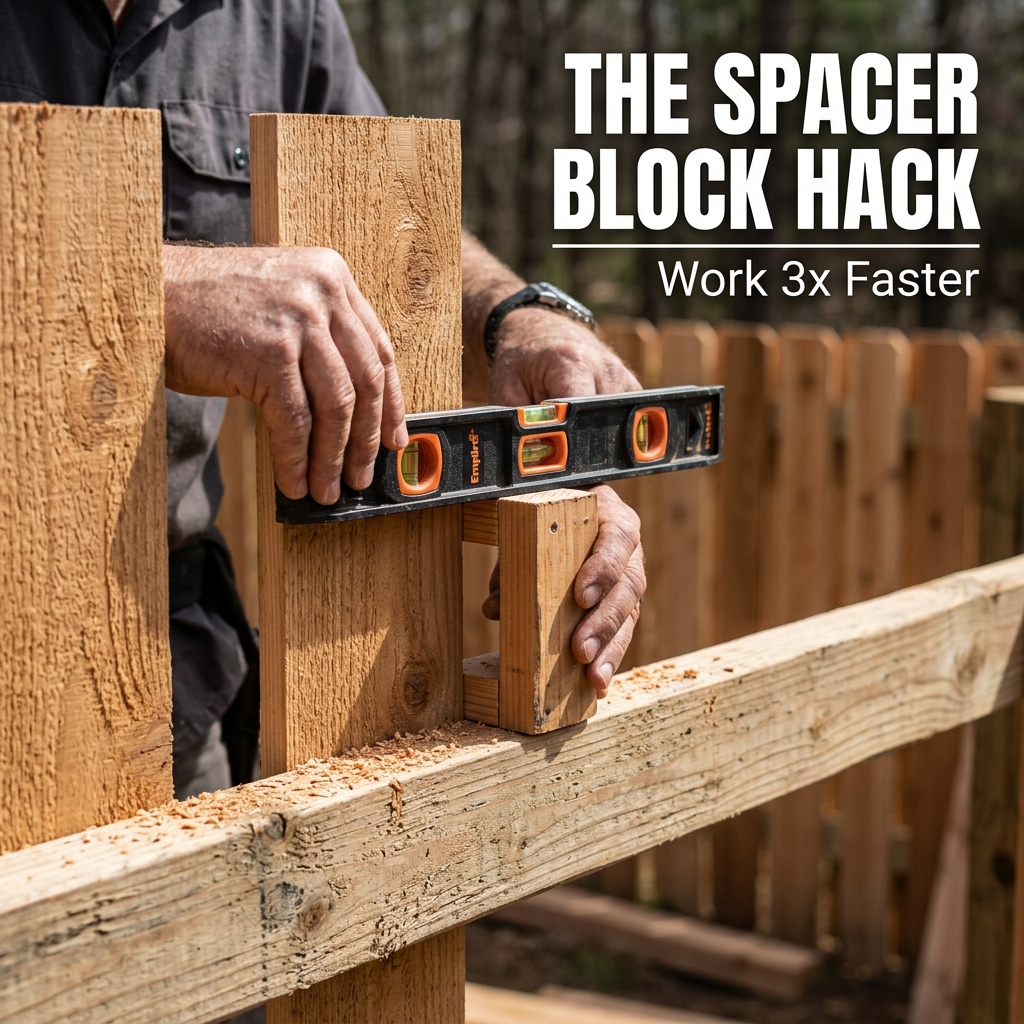
Once the calculator gives your exact gap (e.g. 2 1/16"), cut a small wooden scrap block to that exact width. Use it as a physical spacer between pickets during installation for uniform alignment without measuring every gap.
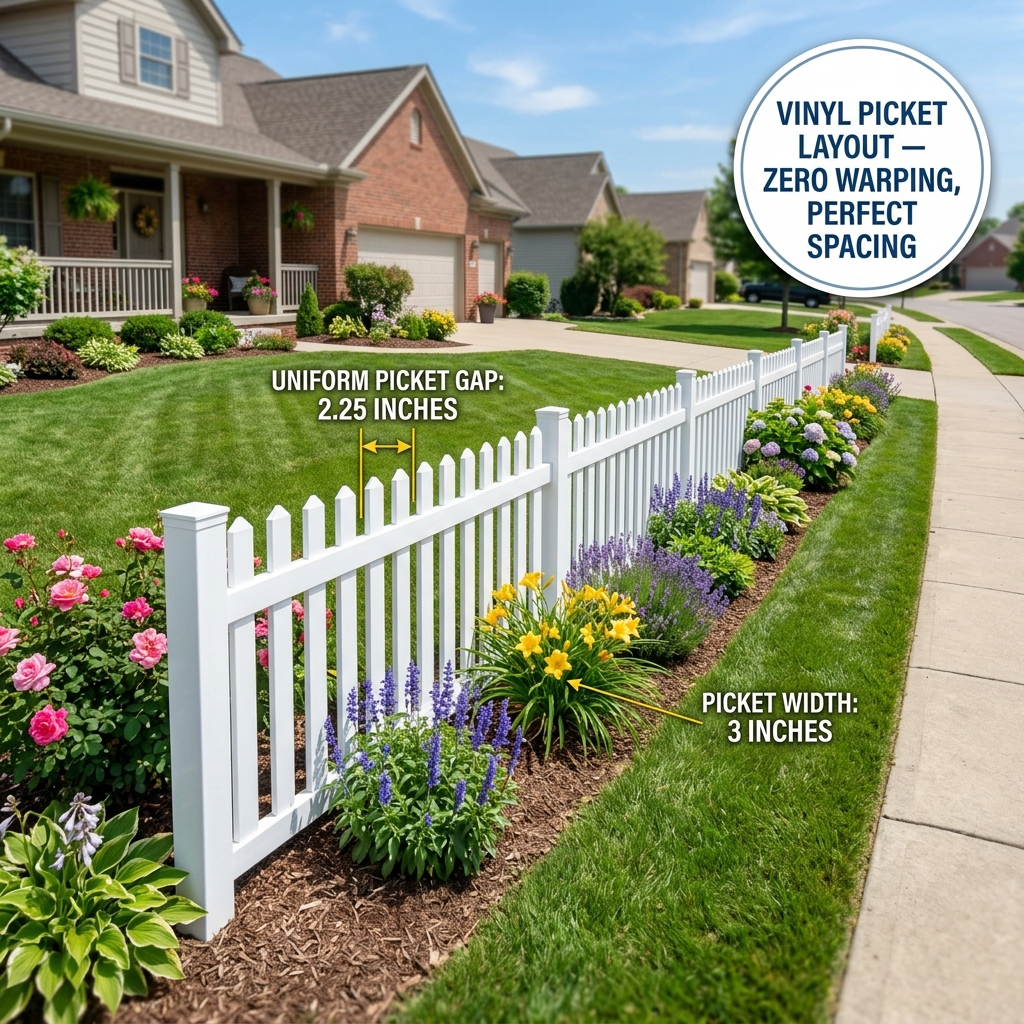
If building a fence around a swimming pool, IRC safety codes mandate that vertical gaps between pickets must not exceed 4 inches (102 mm) to prevent child passage. Use Mode 2 (Even Spacing with Max Gap) set to 4.0".
フェンス板の間隔計算、建築基準、DIY施工に関するよくある質問と回答です。
柱間の実測スパンLから、板の合計幅(枚数n × 板幅w)を引き算し、隙間の総数で割ります。両端も均等に空ける場合:隙間 = (L - n × w) / (n + 1) となります。
目隠しフェンスでは10mm〜20mm程度、通風や日当たりを重視する格子フェンスでは30mm〜50mm程度が一般的です。安全柵では100mm以下にします。
当計算ツールで割り出した隙間幅の寸法で端材(当て木・スペーサーブロック)を正確にカットし、板と板の間に挟みながらビス留めしていくと狂いなく均等に施工できます。
スパン全長 ÷ (板幅 + 希望の隙間) で概算枚数を出し、木材の反りや節、カット失敗を考慮して5%〜10%の予備(ロス分)を追加購入することをおすすめします。
1x4(ワンバイフォー)材の実寸幅は89mm(厚み19mm)です。1x6材の実寸幅は140mmです。呼び寸法と実寸が異なる点にご注意ください。
Once your spacing and picket count are calculated, these contractor-tested tools ensure precise alignment, plumb posts, and clean, durable fastening.
Calculator MatchLocks onto top and bottom rails to maintain your exact picket gap (1/4" to 4") without measuring every board.
 Essential Tool
Hands-free 2-way bubble level with elastic strap. Plumbs fence posts and pickets vertically on both planes at once.
 1/16" Readout
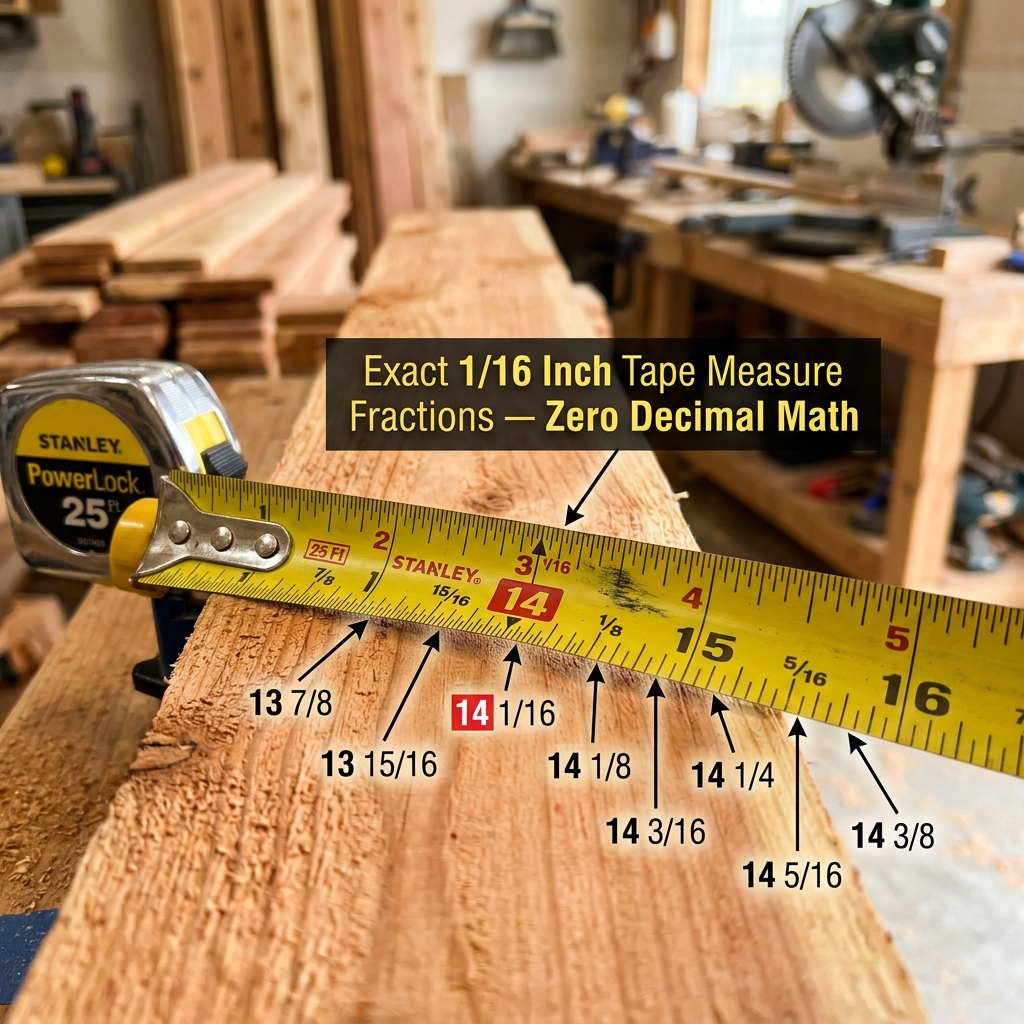
Clear fractional markings printed directly down to 1/16", matching the exact decimal and fraction outputs from this calculator.
 Rust Resistant
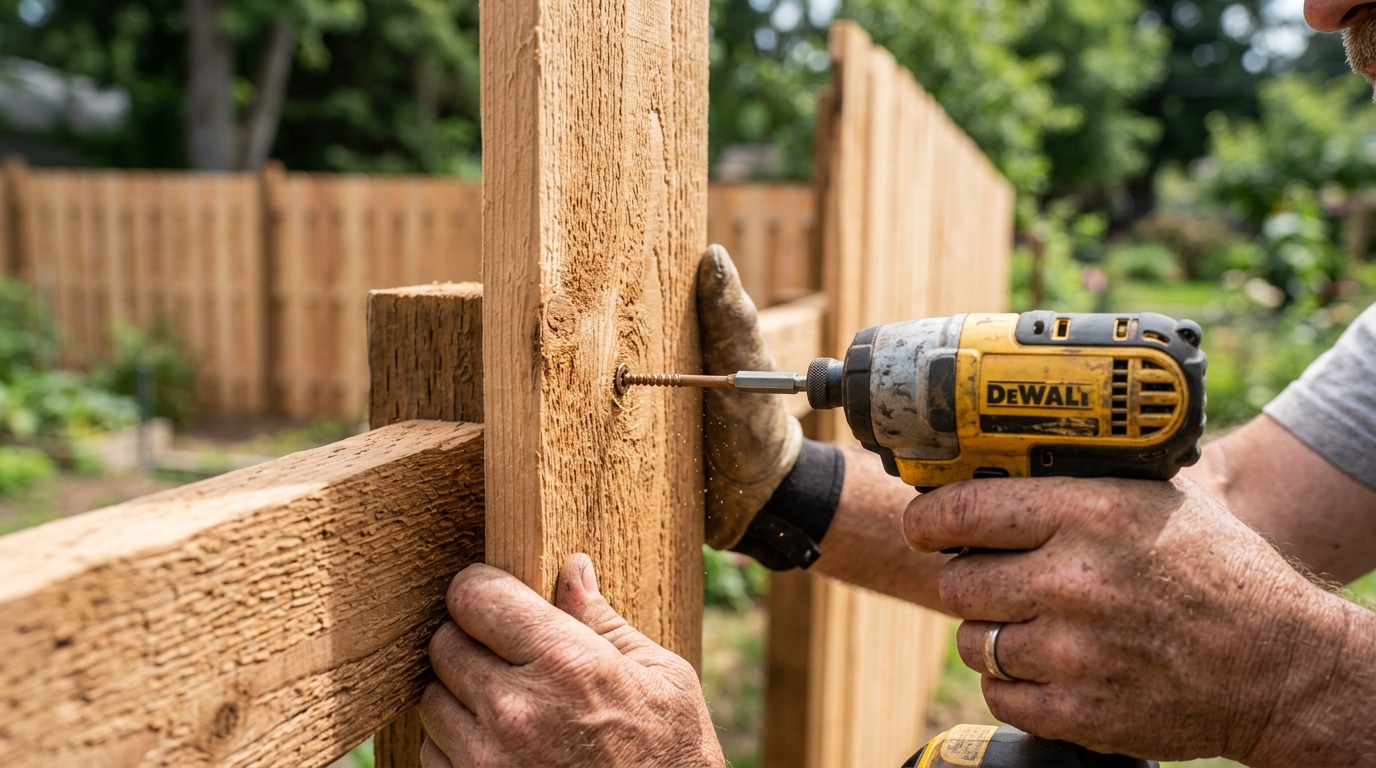
ACQ-compatible polymer coating prevents dark black corrosion streaks on cedar and pressure-treated pine fence pickets.
 Contractor Grade
Quickly marks 90° cross-cuts and 45° dog-ear corners. Functions as a reliable circular saw guide for uniform picket tops.
 Weather Defense
Protects newly installed wood pickets from sun UV graying, rain swelling, warping, and mildew breakdown.
フェンス板(縦格子・ルーバー)の均等割り計算、板幅の実寸、材料ロスの見積もり方をわかりやすく解説します。
フェンスにおけるピケット(縦板・格子)とは、支柱間の横桟に固定する縦方向の目隠し板や格子のことです。天然木、ハードウッド(イタウバ・セランガンバツ)、人工木、アルミなど多様な素材が使われます。施工前に正確な板間隔を計算しておくことが仕上がりの美しさに直結します。
現場での目分量施工では、最後の柱際で隙間が狭すぎたり広すぎたりするトラブルが頻発します。当計算ツールを使用すれば、柱間の実測開口幅、板の実寸、希望の隙間寸法から、すべての隙間が完全に均等になる割り振りを瞬時に算出できます。
ツーバイ材(2x4)やワンバイ材(1x4)など、北米規格や国内流通木材は「呼び寸法」と「実寸」が異なります。1x4材の幅は呼び名4インチですが実寸は89mm(3.5インチ)、1x6材は実寸140mmです。計算前には必ず実寸を測ってください。
| 木材規格・素材 | 呼び名 | 実際の幅 | 実際の厚み |
|---|---|---|---|
| SPF / レッドシダー 1x4材 | 1" × 4" | 89 mm (3.5") | 16〜19 mm |
| SPF / レッドシダー 1x6材 | 1" × 6" | 140 mm (5.5") | 16〜19 mm |
| 人工木・樹脂製 目隠し板 | 実寸規格 | 145〜150 mm | 10〜15 mm |
| アルミ形材 縦格子 | 20角 / 30角 | 20〜30 mm | 中空アルミパイプ |
柱の内々寸法(開口スパン)から「板全体の合計幅」を引き、残った隙間寸法を「隙間の総数」で割ることで算出します。
L=スパン全長、n=板の枚数、w=板の実測幅。n枚の板を並べると隙間は n + 1 箇所になります。
両端の板を柱の内面に沿わせて固定する場合、板と板の間の隙間は n - 1 箇所になります。
バルコニーの手すりや転落防止柵、ペットフェンスでは、子供の頭部挟まりやペットのすり抜け防止のため、隙間を100mm未満(約4インチ)に抑える安全基準が一般的です。
天然木は風合いが抜群ですが定期的な塗装が必要です。人工木(樹脂木)やアルミ材は腐食やささくれがなくメンテナンスフリーで長期的なコストパフォーマンスに優れます。
プロの木工職人が解説する板間隔の計算式、木材の規格寸法表、安全基準の完全ガイド。
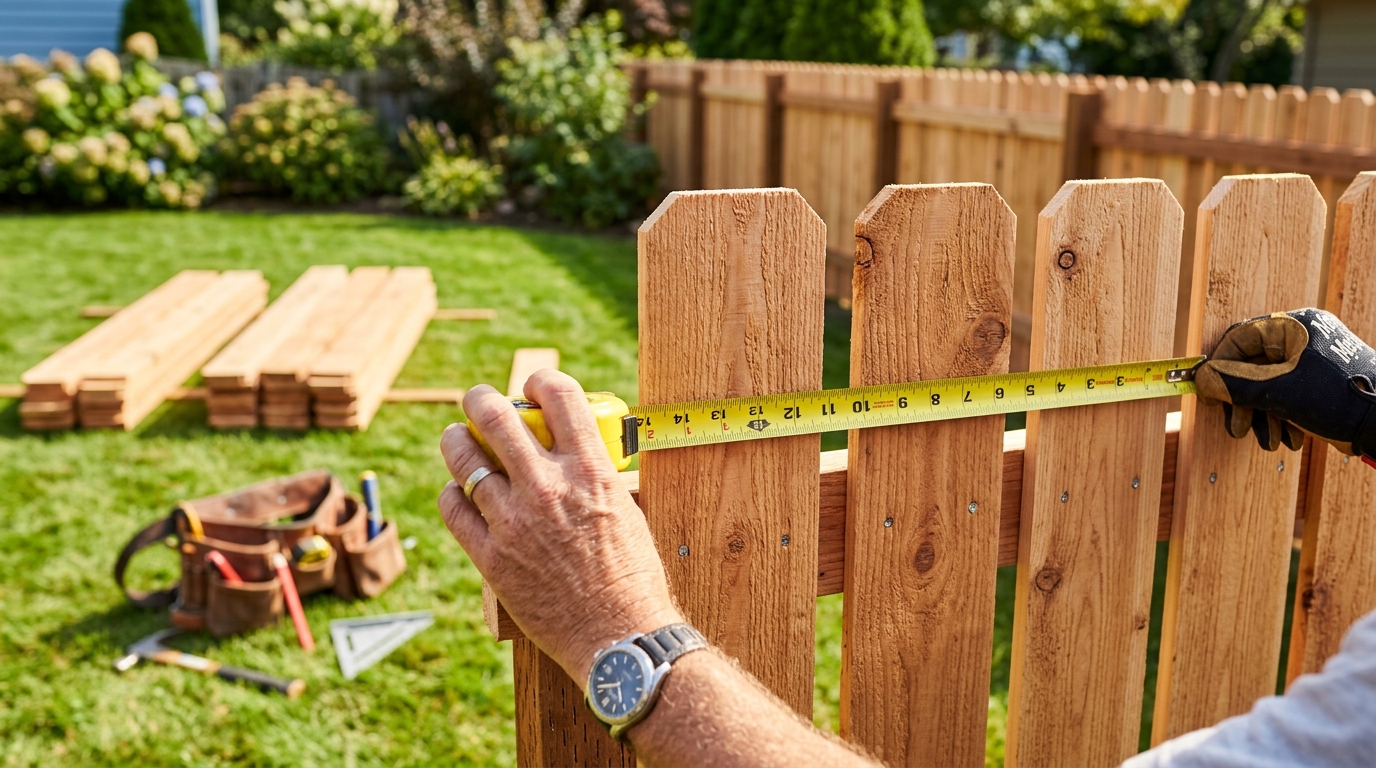
1フィートまたは1メートルあたりの必要板枚数を即座に算出する係数ガイド。1x4・1x6材の目隠し・均等隙間・重ね貼り別の計算式を解説。
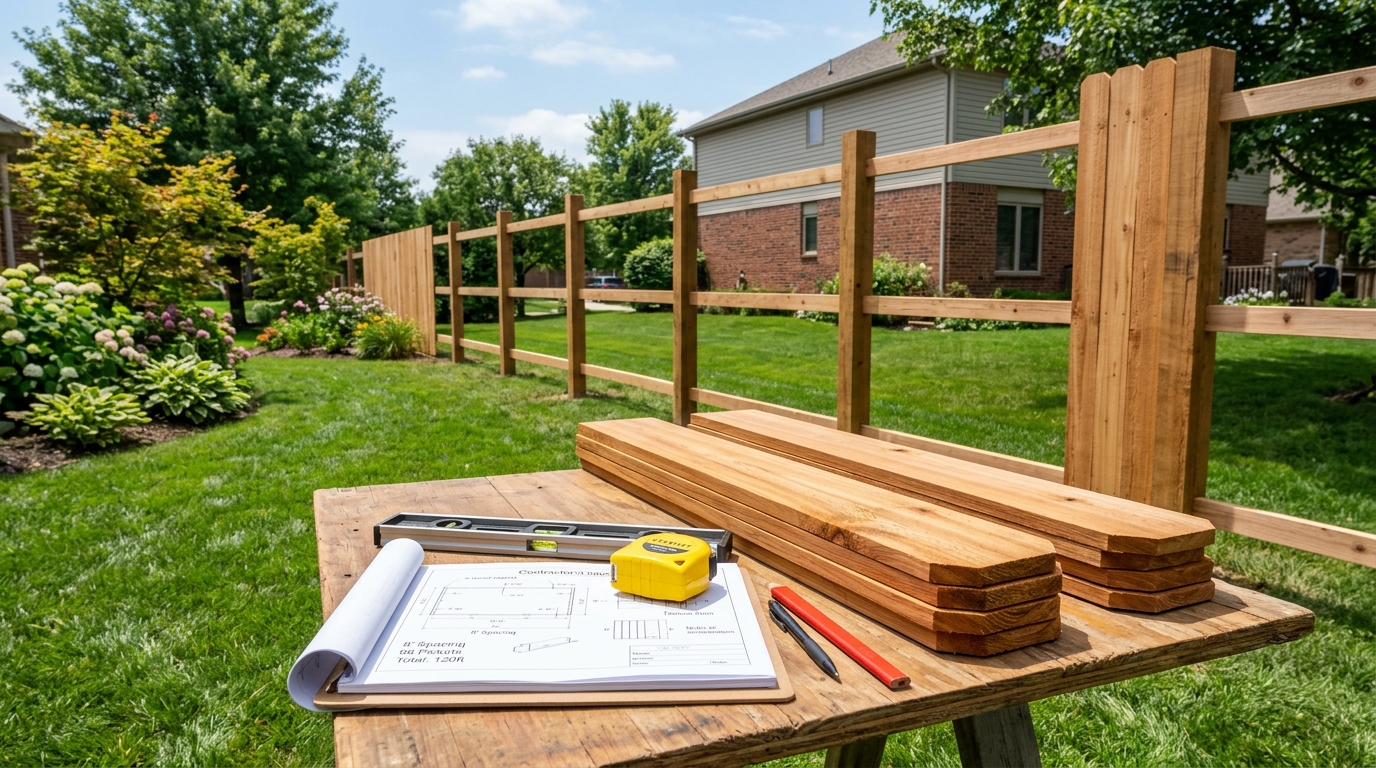
ウッドフェンスに必要な板(ピケット)の総枚数を正確に算出する計算式。1x4・1x6別の必要本数、目隠し重ね貼り(ボードオンボード)、木材ロス率の求め方を解説。
木製ピケットフェンスを一からDIYで建てる完全手順ガイド。水糸の張り方、柱穴掘りとコンクリート打設、横桟の固定、板の均等割り付けまで徹底解説。

アメリカ政治学の「ピケットフェンス連邦制」を解説。横桟(連邦・州・地方政府)と縦格子(教育・交通・福祉などの専門政策分野)が織りなす官僚機構の仕組みと歴史。